Simone Conforti
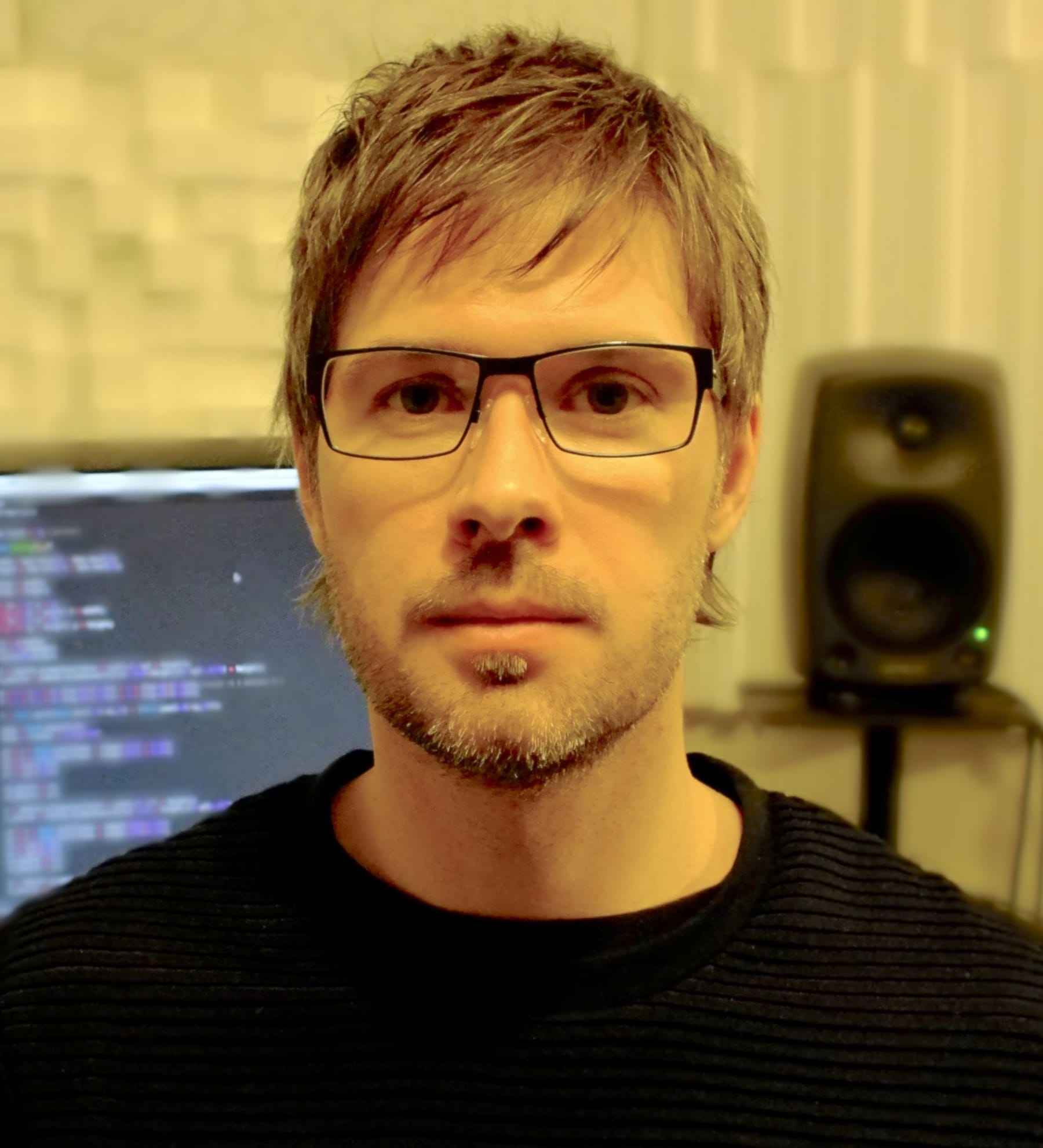
| Simone Conforti | |
|---|---|
| Biografie | Simone Conforti (*1979) ist ein Schweizer Komponist, Computermusikdesigner, Sounddesigner und Softwareentwickler. Er hat einen Abschluss in Flöte und elektronischer Musik und arbeitet als Professor für Computermusikdesign am Insitut de Recherche et de Coordination Acoustique/Musique. Conforti war Mitbegründer von MusicFit und MUSST und ist Mitbegründer und derzeit Chief Technology Officer von Musica Combinatoria. Er hat als Software-Designer und -implementierer für Architettura Sonora und als Forscher für die Universität Basel, die Haute Ecole de Musique in Genf, die Haute Ecole de Musique in Lausanne und das Forschungszentrum MARTLab in Florenz gearbeitet. Neben seiner Spezialisierung auf interaktive und multimediale Kunst beschäftigt er sich intensiv mit musikorientiertem Technologiedesign, einem Bereich, in dem er zahlreiche Algorithmen entwickelt hat, die von Klangverräumlichung und Raumvirtualisierung bis hin zu Klangmaskierung und generativer Musik reichen. Er war Professor für elektroakustische Komposition und Computermusik an den Konservatorien von Cuneo und Florenz und arbeitete als Computermusikdesigner am Centro di Informatica Musicale Multimediale der Biennale Venedig. ABOUT Simone Conforti: «PlastiCity» An acousmatic work that revolves around the theme of water pollution caused by plastic. As the title suggests, the theme is addressed through the dual meaning that emerges from it: on the one hand the clear reference to how industrialisation and consumerism have led us to such an environmental crisis; on the other hand the word plastic carries within itself the meaning of the idea of material with its negative connotation that we attribute to it today but also the idea of moldability that underlies the idea of morphing the musical materials found in the piece. The theme of the confrontation between natural and artificial underlies the piece in the form of multiple compositional strategies. These can be traced: in the relationship between the main timbres, water-like sounds contrasted with those coming from the stimulation of plastic materials; in the use of a synthetic voice that, uttering the word plastic, subdivides the piece into three sections that are morphologically identified according to the applied timbral subdivision and derived from the following PLA/S/TIC segmentation; in the gradual processing of elements recognisable as acoustic, think of the synthetic voice, which become the basic elements for the generation of timbres that take us into a purely synthetic dimension; finally, the constant idea of morphing of timbre and meaning once again becomes the tool for the generation of a new hybrid territory that results in the loss of contact with the source. |
| Link | |
| Zurück | |